
Cetaphil vs CeraVe Sunscreen – Introduction:
Choosing sunscreen between Cephil and CeraVe usually comes down to your skin’s finish preference and barrier needs. Both are dermatologist-tested favourites, but they definitely behave differently. Both area dermatologist-tested and definitely behave differently on the face.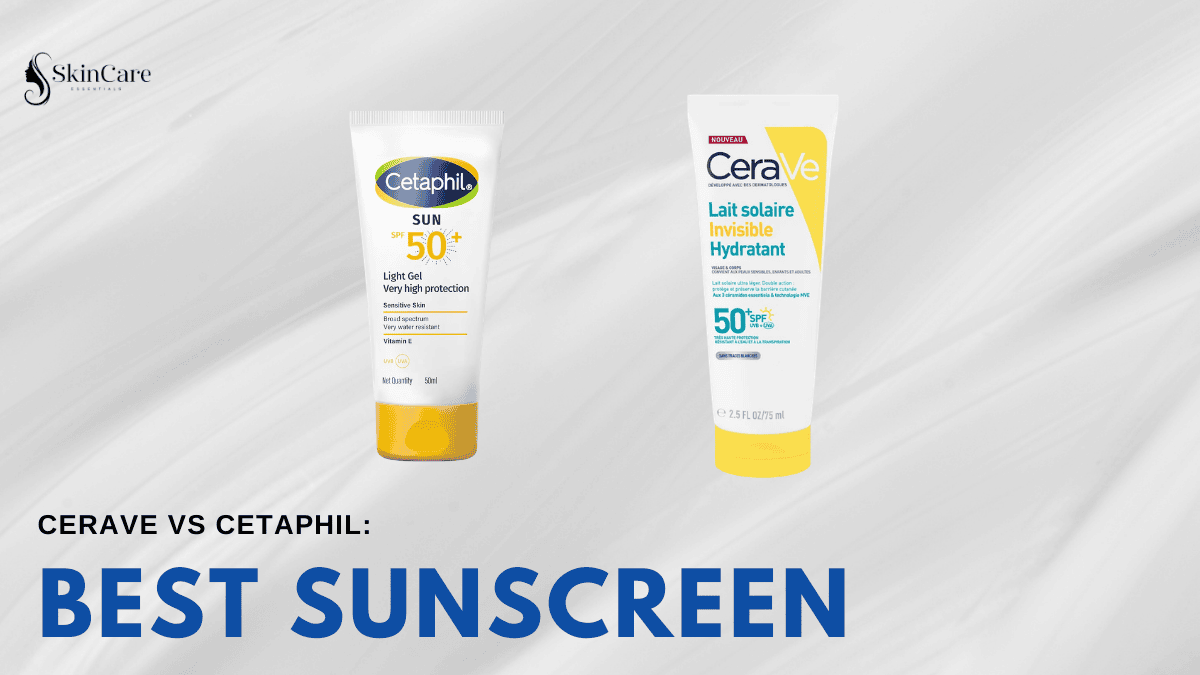
CeraVe sunscreen is famous for containing three essential ceramides that help repair and protect your skin barrier. Cetaphil typically uses similar soothing ingredients, like glycerine and panthenol, to hydrate without overwhelming the skin. If you have dry nor eczema-prone skin, CeraVe is often a better choice because it focuses heavily on intensive hydration.
For those with oily or acne-prone skin, Cetaphil light gel or matte formulas are usually preferred for their non-greasy feel. CeraVe sunscreens tend to leave a dewy, radiant finish that works well for a glowy look. Both brands are fragrance-free and hypoallergenic, ensuring they won’t sting or irritate reactive skin.
Ultimately, choose CeraVe for barrier repair and Cetaphil for a lightweight, shine-free texture.
Cetaphil Sunscreen:
Cetaphil formulations provide high-level defence against both UVA and UVB rays. Many of their popular options, like the liquid sunscreen, are designed to feel weightless and non-greasy. Their formulas are often preferred by people with oily skin because they absorb quickly without a shiny residue.
Every sunscreen is clinically tested to be non-irritating and hypoallergenic for reactive skin types. Most Cetaphil sunscreens are water-resistant for up to 80 minutes, making them reliable for outdoor activities. They avoid harsh perfumes and scents that often cause sunburn to sting around the eyes.
Despite the matte finish, they use glycerine to keep the skin from feeling tight or dehydrated during the day. Because the formula is thin, it sits very well under foundation or concealer without pilling. The ingredients are carefully selected to prevent clogged pores or breakouts.
The newer daily defense versions include a shield against environmental pollutants, making them perfect for city dwellers. Choose Cetaphil if you want a set-it-and-forget-it sunscreen that feels like nothing is on your skin.
Cerave sunscreen:
Cerave is the go-to for barrier repair and deep hydration. Every formula contains three essential ceramides to help rebuild your skin’s natural protective barrier. It uses a patented delivery system that releases moisturizing ingredients slowly over 24 hours, keeping skin hydrated long after application.
This key ingredient pulls moisture into the skin, making it a holy grail for those with dry or flaky skin. Most CeraVe sunscreens include niacinamide to help calm redness and soothe irritation from sun exposure. Many. Many of their best sellers are 10% mineral, which is safer for those with extremely sensitive skin.
They use microfine zinc particles designed to spread more easily and reduce the ghostly white cast typical of mineral sunscreens, unlike Cetaphil Matte Look Creme, which leaves a moisturized, glowing finish that works well as a hydrating base for dry skin.
Because mineral blockers sit on the skin rather than absorbing into it, they are much less likely to cause that painful sting when you sweat.
CeraVe sunscreens are often built as AM moisturizers, meaning you can skip your regular lotion and use this as your only morning step.
FAQ
1) Which one is better for dehydrated skin?
CeraVe is generally better because it contains ceramides and hyaluronic acid to lock in deep moisture.
2) Which one feels less greasy on the face?
Cetaphil is usually the winner here, as its formulas are designed to be lightweight and absorb quickly.
3) Do they leave a white cast on dark skin?
Cetaphil blends in clearly; CereVE can leave a slight tint unless rubbed in very well.
4) Can I use these if I have acne?
Yes, both brands are non-comedogenic, meaning they are specially formulated not to clog your pores.
5) Which one should I wear under makeup?
Cetaphil is often preferred for makeup prep because it provides a smoother, matte finish that prevents foundation from sliding off.
Conclusion:
Cerave is the clear winner for dry or aging skin because its ceramides and hyaluronic acid act like a second skin, locking in moisture.
Cetaphil is the superior choice if you want to avoid shine, as its formulas are typically more fluid and leave a matte or natural finish. If your skin barrier is damaged, it focuses on actively healing the skin while protecting it.
Cetaphil generally provides a better canvas for makeup because it is less likely to pill or make your foundation look greasy by midday.
1 thought on “Cetaphil vs CeraVe – Which Sunscreen Won’t Break You Out?”